6 de noviembre de 2019
Minutos aprobados
6 de noviembre de 2019
Minutos aprobados


Building Safer Routes to School Together!
Safe Routes to School works because it addresses the real conditions students face every day. When we invest in safer routes, we invest in our community's future.
Builds Healthy Habits Early
Walking and biking develop independence and fitness in students from elementary through high school.
Eases Traffic Congestion
Fewer cars at school pickup and dropoff means less traffic and better air quality around schools with fewer cars idling frequently.
Strengthens Community Bonds
Walking school buses and bike trains create connections between families and neighbors who care.

How Safe Routes Come to Life
MetroPlan works with schools, families, and the city to make walking and biking safer. Here's how the process unfolds.
Assess current conditions
We gather data on all modes of travel to identify safety gaps in existing routes and encourage more safe, active transportation.
Identify opportunities
Through local collaboration, we identify where engineering improvements, education and encouragement efforts, programmatic strategies, and supportive policies will most effectively improve safety.
Educate students and families
We provide resources to the community on safe, multimodal transportation.
Build safer infrastructure
Working alongside city partners, we prioritize sidewalk, bike lane, crossing, and signal improvements that create safer journeys for all.
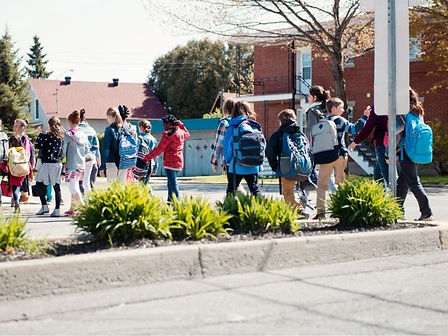
Safe Routes to School (SRTS) is a program that aims to make it safer for students to walk and bike to school. The projects, from easy start-up programs to major infrastructure improvements, are all designed to encourage kids of all ages to walk or bike to school and develop a healthy lifestyle.
The program's goals include:
-
Encouraging students to walk or bike to school
-
Developing healthy lifestyles
-
Removing barriers that prevent students from safely walking or biking to school
SRTS programs use a combination of interventions to improve safety, including:
-
Education and training: Teaching children and caregivers how to choose safe routes, safe behaviors, and how to use engineering treatments like sidewalks and crosswalks
-
Infrastructure improvements: Funding projects like sidewalks, crosswalks, bike lanes, signage, and striping
-
Non-infrastructure elements: Funding projects like bike helmets, safety education, and law enforcement
%20One-Pager%20V3%20RGB.jpg)
Observational data for Flagstaff region schools 2025-2026 school year


Resources for Every Grade Level
Safety looks different at each age. These resources meet students where they are, from learning to cross safely to navigating transit independently.
Elementary School Activities
Walking and biking basics, safety games, and printable materials to build confidence in young travelers.
Resources:
Pedestrian Safety: Don’t Get Hit by a Car
A simple, visual guide from Safe Kids Worldwide outlining the most common ways children are injured by cars and practical tips to stay safe at home and on the road.
School Zone Safety: Keeping Kids Safe on the Move
This infographic from Safe Kids Worldwide highlights real risks in school zones—from distracted driving to unsafe crossings and shares ways communities and families can help protect students.
Safety Skills for Walking & Biking to School
A child-focused guide with key messages to help kids stay safe while walking, biking, and navigating traffic.
Try a Park & Walk Routine
Learn how parking a short distance from school and walking the final stretch can create safer, less congested school zones while building healthy habits.
How to Properly Fit a Bike Helmet
A simple step-by-step guide from the National Highway Traffic Safety Administration on how to correctly fit a helmet—helping ensure kids stay safe while biking and rolling.


Be Part of Safer School Travel
Stronger neighborhoods and communities are built from within! You don't need permission to start carpooling, walking school buses, or bike trains to make walking and biking safer in your community.


